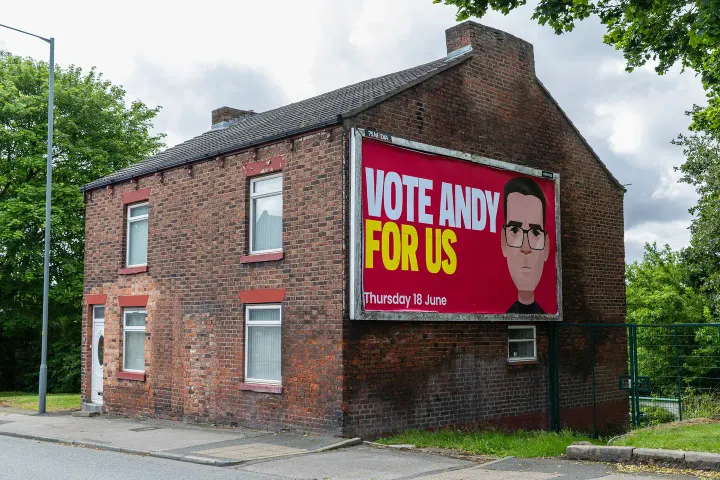
Now is the time for a new civic contract
Over a long hot summer there’s been a seismic shift. Have you noticed it? As the new Prime Minister, Andy Burnham, set down in London we have seen a major operational transformation that accelerates a shift in power in Whitehall with the establishment of No. 10 North in Manchester and a promise of good growth in every postcode.
We outlined in a recent blog the rationale for this refocus and what this means for power and place across the UK . Although devolution has gathered pace since the late 1990s, this is arguably the biggest shift in a generation, led from the direct experience of a place-based leader on the ground in Manchester.
But this is not simply about politicians tinkering with the future, this is firmly a response to public sentiment which has been calling for more responsible civic leadership. For us this is about the new currency of public trust and it is something which all organisations need to think about more broadly.
Since 2016 we can see a clear trajectory where trust has been eroded in democratic structures and civil society, and as we all feel the impact of the economy and the disrupted world in our households and we hear it voiced in our communities, low levels of public trust are a problem for us.
This is therefore a clarion call to all parties on the political spectrum and is one that the new Prime Minister has made clear he is setting his sites on as he works with his new team. What we call 'social good' is a strong theme that is running through most of this year's UK political party conferences.
The purpose of a rewire
In Rewiring the State, a recently published statement of intent, the Cabinet Office acknowledged that government has become too London based, too centralised and that decisions are often made too far from place. You can already see change around us in our infrastructure and place on the back of existing devolution deals and the work of regional Mayors in the Midlands, the North and the devolved nations. They know the challenges to deliver this at a time of heightened public expectation and attention to resolve problems in public service provision, investment and infrastructure. Jobs, skills, transport, prosperity, cost of living, etc.
'Good growth requires a fundamental rewiring of the way our country works, surrendering power that for too long has been held in Westminster and Whitehall, and returning it to people and the places where they live, work and invest.'
In the latest British Social Attitudes analysis (National Centre for Social Research) identifies that following the 2024 election only 12% of the public said they trusted government to put the national interest first above party interests and the Electoral Commission also provided another useful test in a survey in 2025 where 54% of respondents thought elected representatives did not care about people like them. And in this data there was an even greater correlation between negative feeling amongst those who were struggling the most with their household finances.
Now is the time for the reset. It is time to put trust building at the heart of place making.
No. 10 North shifts power
The move to establish No.10 North offers the clearest indication of a reset between Whitehall, combined authority mayors and communities which are feeling they are left behind, on a hinterland. I was involved in a local government work for a short time and have always been concerned about the lack of engagement in local level politics. It's just dog wast and new recycling bins and speeding in my village. But underlying these parochial issues is what interested me and this is important context and context for building back trust in the face of what people may be thinking about voting for on the ground in a few years time.
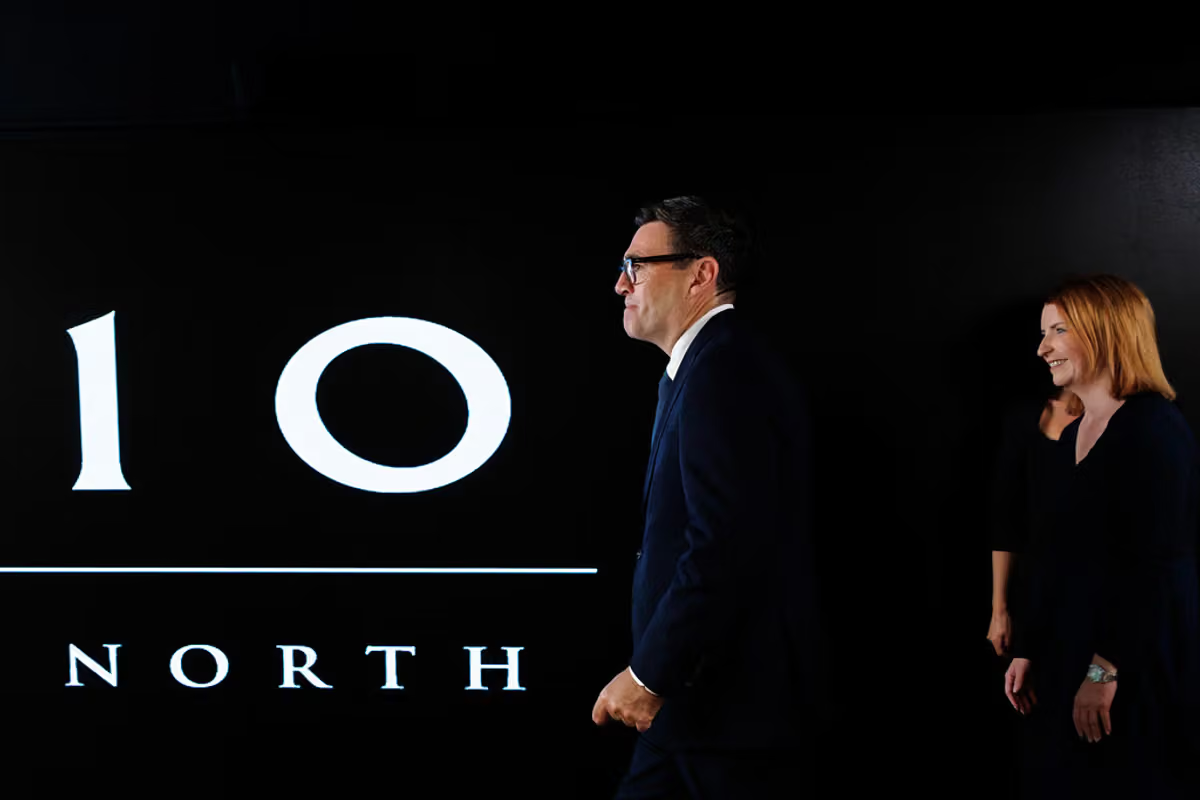
If trust needs a super charge, here's how No. 10 North could balance growth and development through alignment with some high trust activities in their place.
A stronger role for charity
Recent Charity Commission research shows that 57% of the British public have higher trust levels in charities and considerably more than they do of local councils and politicians on the ground. They are the second most trusted organisations in our communities, a close second to doctors .
The provision that charities provide for some of our biggest societal challenges is an important factor in how we work together in communities. Charities, voluntary sector and social enterprises have a purpose and a role and they create and drive social good through their work. Trust on the ground, community engagement and giving to support them are important forces that reinforce each other in this space. But we are seeing a rise in misanthropy and crowd funders for so called "good causes", so building trust in charities has never been more important.
People who engage with charities are more likely to give back to people, volunteer their time, donate money, and develop further services. Charities are also a lifeline for many services including adult social care and mental health provision. They are therefore a critical route to building trust and we must ensure this sector (the VCSE sector as it is known) is resilient and engaged.
Stronger cultural cohesion
Place is bout our geography and the unique assets that form part of our community make-up in urban and rural areas. A recent British Council evaluation demonstrates how the arts and heritage sectors continue to play an important role in creating belonging and shared identity and driving engagement across social divides.
Investment in these assets and places can also widen the scope for confidence building and active public voice and continue to foster stronger community relationships and connections through volunteering. Arts and heritage create the right relational conditions for communities ranging from spaces for celebration, engagement and fun and a sense of civic pride. They do not, necessarily on their own, resolve structural inequality but they do, by their operation and existence, build social capital particularly in a country which is imbued with such brilliant and ancient heritage.
Look at the recent Bayeux Tapestry exhibition and what that has unlocked in terms of story telling in place across the UK, civic relations and a reimagined sense of who we are. However, we note the strain here on funding and capacity to fundraise in these organisations. The UK has an ageing heritage estate because of who we are as a country and this asset will also require investment in the future and should be an important consideration for those who say they are making place. Growth thrives when this is built in to thinking and not just shopping centres and hipster flats.
Infrastructure decisions make impact
Mayors have a strong appetite for public transport and investment in infrastructure for obvious reasons so the pace at which we will see delivery on promises for growth will be judged by how they unlock on the ground development and drive through infrastructure projects which will ensure people see change and feel the vibrancy from this. Planning changes will test the mettle of mayors and civic leaders and their communications teams but they should not be distracted from the detractors and algorithmic trickery which can sway or delay popular opinion. It is really important to take people on a journey of change, but it is an important emerging role of teams who are trying to nurture and build this trust.
Creating the circle of trust
The Organisation for Economic Co-operation and Development (OECD) identified the following as key drivers of trust in 2026: reliability, responsiveness, fairness, integrity and openness. This could apply as much to your train or bus service as it does to your local MP or NHS experience but these are critical values that will drive a change and, take placed-based and front-line services with them.
Britain is not an isolated example of eroded public trust. But we are a unique case of the opportunities ahead, built on some strange decisions made and the importance of bringing citizens, institutions and democracy together through cultural and civic infrastructure as well as growth and skills. This feels a big turnaround from the beginning of the year and it is powerful to see the impact of mayors across the regions.
We are hopeful. You should be too. But we must also acknowledge as good citizens that the rebuilding of public trust is also a two way street and requires you to understand your role in the process.
We all have a responsibility to be more informed and engage in democracy and civil society in the forums we have in place. We should call out bad behaviour and spotlight good and in my experience when people - human beings - get together and leave their phones on silent, it is quite amazing how consensus can build.
Whilst No. 10 North settles in, we must understand our own roles in shaping this future beyond the divides we have seen develop in our communities.
The Purpose Brief exists to tell positive stories of progress in our places from a base in York, North Yorkshire in England. We love to hear the stories of people working to change the world in a positive way, who are hopeful and focused on the agency they create.
We are always looking to help you think differently about how you tell your story and raise the profile of your work. Have you got a great story of impact?